Shinchosha's Vision for Craft
Commemorating its 130th anniversary, the esteemed publishing house Shinchosha has transformed its private warehouse in Kagurazaka, Tokyo. On March 27, 2026, this renovated space officially opens as 'Soko,' a new gallery dedicated to art and craft. Built in 1959, the building itself holds historical significance, registered as a National Tangible Cultural Property. This initiative reflects Shinchosha's enduring commitment to cultural preservation, extending its legacy beyond literature to embrace the rich tapestry of Japanese craftsmanship.
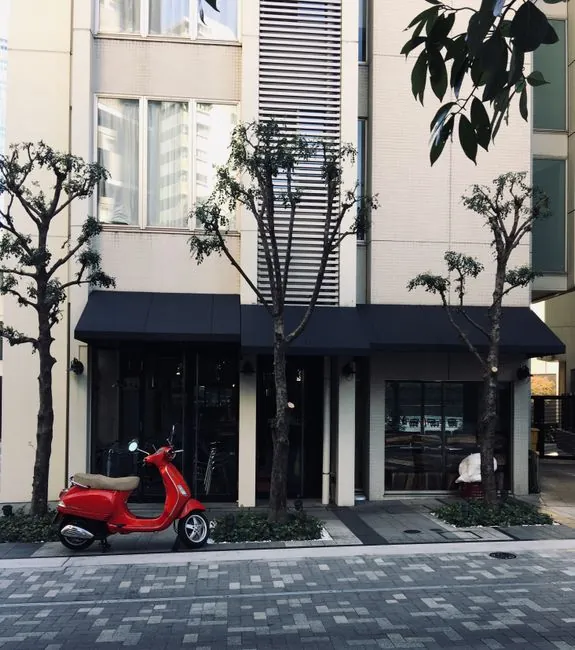
The renovated Soko building in Kagurazaka.
Kagurazaka: A Cultural Nexus
The choice of Kagurazaka for Soko is particularly resonant. This Tokyo district is known for its blend of traditional charm and contemporary vibrancy, a place where historic geisha houses stand alongside modern boutiques. Soko, meaning 'warehouse' in Japanese, evokes a sense of discovery and preservation, inviting visitors to explore the depths of artistic expression within its walls. The renovation respects the building's original character while adapting it for its new purpose as a hub for both established and emerging artisans.
Curating Heritage and Innovation
Soko aims to be more than just a gallery; it is envisioned as a dynamic space fostering dialogue between traditional techniques and contemporary interpretations. It will showcase a diverse range of Japanese crafts, from intricate ceramics and textiles to woodworking and metalwork. Each piece tells a story of meticulous skill and dedication, reflecting the profound respect for materials and process that defines Japanese craftsmanship. For instance, one might encounter finely crafted items such as the 'Itadakimasu Chopsticks_green' from Amesankoh, embodying both functional beauty and a connection to daily rituals.
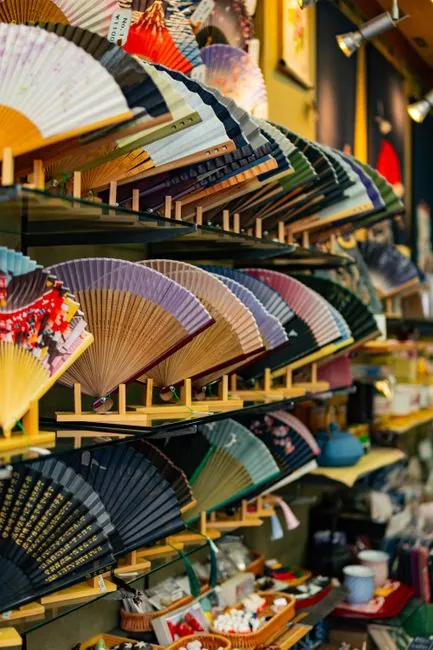
Exquisite Japanese crafts on display.
From the Editors
The opening of Soko by Shinchosha represents a thoughtful expansion of cultural stewardship. It is a testament to the enduring value of tangible heritage, where a building from 1959, once a private warehouse, is given new life as a public space for art and craft. This initiative not only preserves a piece of architectural history but also provides a vital platform for the continuation and evolution of Japanese craftsmanship. In a world increasingly focused on the ephemeral, Soko offers a grounding experience, inviting us to appreciate the beauty and longevity inherent in objects made with intention and skill. It underscores the quiet power of tradition to inspire contemporary creation, fostering a deeper connection to the stories embedded within each crafted form, and reminding us of the profound cultural narratives that craftsmanship carries across generations. This new hub promises to be a significant addition to Tokyo's cultural landscape.