The Spirit of Kamakura's Art
Nestled amidst verdant hills and coastal breezes, Kamakura stands as a city deeply intertwined with Japan's samurai heritage. Within its ancient temples, one encounters a distinct artistic expression: Buddhist sculptures that resonate with a profound sense of power and an arresting realism. These works are far more than mere religious figures; they are enduring reflections of the prevailing samurai aesthetic, a testament to an era defined by discipline and fortitude.
Realism Forged in Discipline
The Kamakura period (1185-1333) marked a significant shift in Japanese art. Gone were some of the more ethereal, idealized forms of earlier eras. In their place emerged sculptures imbued with an unadorned austerity and a palpable sense of martial virtue. Masters of this time skillfully captured intense expressions, dynamic postures, and a realistic portrayal of human anatomy. This departure mirrored the practical, disciplined spirit of the newly established warrior government. Each chisel stroke conveyed not just a deity, but also the inner strength and resolve valued by the samurai class.
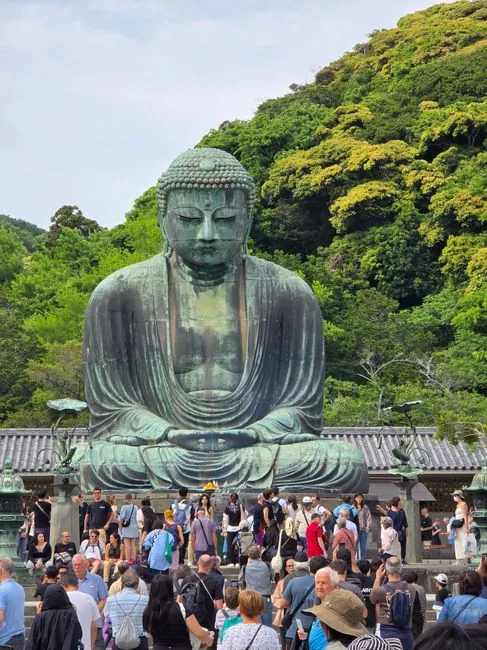
A Kamakura-period Buddhist sculpture
This commitment to conveying profound meaning through deliberate design and meticulous craft is a hallmark of Japanese heritage. The spirit of resilience and unwavering focus, so central to the samurai ethos, continues to inspire various forms of artistry. Consider, for instance, the Daruma doll, a symbol of perseverance and the pursuit of goals. A piece like "Daruma_GoldTakeuchi" from Takeuchi embodies this same dedication to a singular, powerful concept, reflecting a lineage of craftsmanship that translates cultural values into tangible form.
Enduring Legacy of Craftsmanship
The creation of these Kamakura sculptures demanded exceptional skill and an intimate understanding of both spiritual doctrine and the human condition. The choice of materials, often wood, and the intricate carving techniques employed by master sculptors ensured not only the aesthetic impact but also the remarkable longevity of these works. They stand today as robust, silent witnesses to a pivotal moment in Japan's cultural evolution, where spiritual devotion found a powerful, grounded expression in the pragmatism of the warrior.
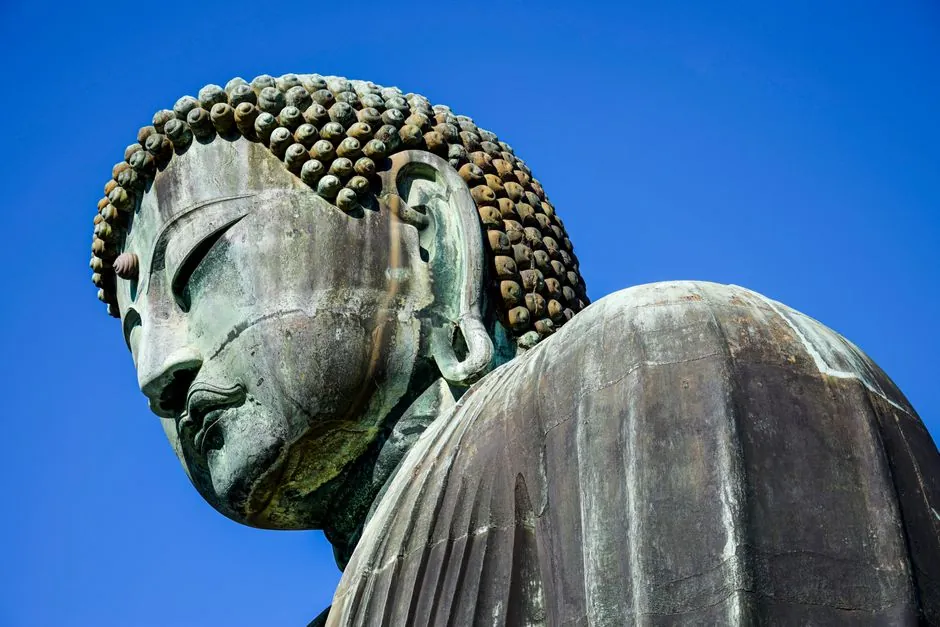
The intricate details of Kamakura art
From the Editors
The Buddhist sculptures of Kamakura offer a compelling window into a bygone era, illuminating how art can embody the very spirit of a society. They remind us that true craftsmanship transcends fleeting trends, creating objects that speak volumes about their origin, the hands that shaped them, and the values they represent, continuing to inspire reflection across generations and cultures.
More from this topic: Heritage