The Rhythm of Kazoedoshi
Before the Western custom of celebrating individual birthdays became widespread, Japan observed a distinct tradition for counting age: kazoedoshi. This method embodies a unique perspective on the passage of time, deeply rooted in communal understanding rather than personal milestones. At its core, kazoedoshi is beautifully simple: a person is considered one year old at birth, and everyone collectively gains an additional year on New Year's Day, regardless of their actual birth date.
This practice weaves the individual's life into the larger fabric of the community and the turning of the seasons. The New Year, known as Oshōgatsu, is a profoundly significant period in Japan, a time for renewal, reflection, and family gatherings. It is during these shared moments of celebration and gratitude that the collective progression of age through kazoedoshi feels most palpable, uniting all in a common rhythm of life.
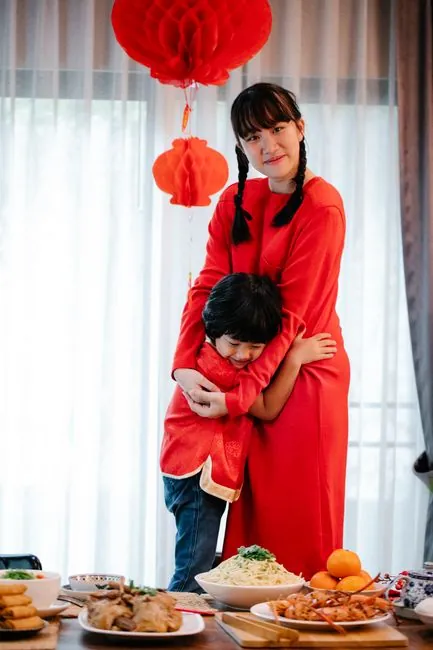
Shared joy during New Year festivities.
Echoes in Contemporary Life
While the modern system of age calculation, man'nenrei, has largely become the standard for official purposes, kazoedoshi has not entirely faded. Its echoes can still be found in various aspects of Japanese culture and tradition. For instance, the concept of yakudoshi, or "calamitous ages," often observed with special rituals at temples and shrines to ward off misfortune, is typically calculated using kazoedoshi. Similarly, in certain traditional arts, such as sumo wrestling, or when referring to the age of shrines and temples, the kazoedoshi system might still be applied.
This enduring presence highlights a subtle yet profound difference in cultural outlook. While man'nenrei emphasizes individual progression from a specific birth moment, kazoedoshi places value on a shared journey, a collective movement through time that binds individuals to the community and the broader cycle of the year.
A Timeless Perspective on Age
The practice of kazoedoshi offers a gentle reminder that age is not merely a number indicating years lived, but a concept imbued with cultural meaning and social connection. It encourages a perspective where one's life is understood not in isolation, but as part of a continuous, shared experience. This communal approach fosters a sense of belonging and mutual understanding, reinforcing the idea that everyone is moving through life's stages together.
These moments of shared experience, whether during New Year celebrations or everyday meals, are fundamental to Japanese life. Gathered around a table, perhaps using cherished implements like the 'Itadakimasu Chopsticks' from Amesankoh, families connect and reinforce the bonds that define their shared journey.

Simple tools for shared moments.
From the Editors
In a world that often celebrates individual milestones, kazoedoshi offers a contemplative counterpoint, inviting us to consider age through the lens of shared experience and communal belonging. It is a tradition that subtly underscores the interconnectedness of life, reminding us that our journey is often intertwined with those around us, moving in harmony with the turning of the seasons. This quiet wisdom, embedded in the fabric of everyday rituals, enriches our understanding of Japan's enduring cultural tapestry, revealing the profound beauty in its unique perspectives on time and community.