The Arrival of Spring's Sansai
Spring in Japan's countryside brings with it a unique culinary tradition: the harvesting of sansai. These wild edible plants are a testament to the land's generosity, offering a bounty of distinct flavors that mark the season's renewal. It is a practice deeply rooted in the rhythm of nature, connecting communities to the forests and mountains around them.
Alpine Leeks: A Taste of the Wild
Among the many varieties of sansai, alpine leeks stand out as a prime example. These forageable greens emerge with the melting snows, signaling the start of a vibrant period for those who seek out nature's offerings. Their subtle yet distinctive taste is a cherished part of springtime meals, often prepared simply to highlight their natural essence.
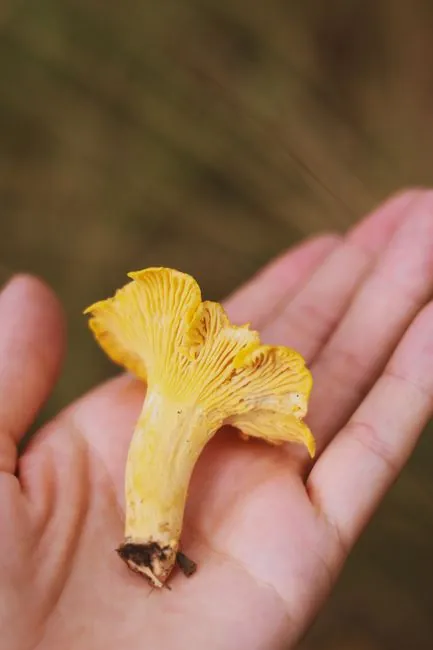
Alpine leeks harvested in spring
A Shared Harvest with Nature
The abundance of sansai in springtime is not solely for human enjoyment. Across Japan's diverse landscapes, these wild plants provide sustenance for various creatures, including bears emerging from hibernation. This shared appreciation underscores a harmonious relationship with the natural world, where the cycle of growth and harvest benefits all inhabitants of the countryside. It is a gentle reminder of our place within a larger ecosystem. When enjoying the simple, fresh flavors of sansai, the experience is often enhanced by thoughtful tools, such as the "Itadakimasu Chopsticks_green" from Amesankoh, which connect us to the craft of everyday rituals.
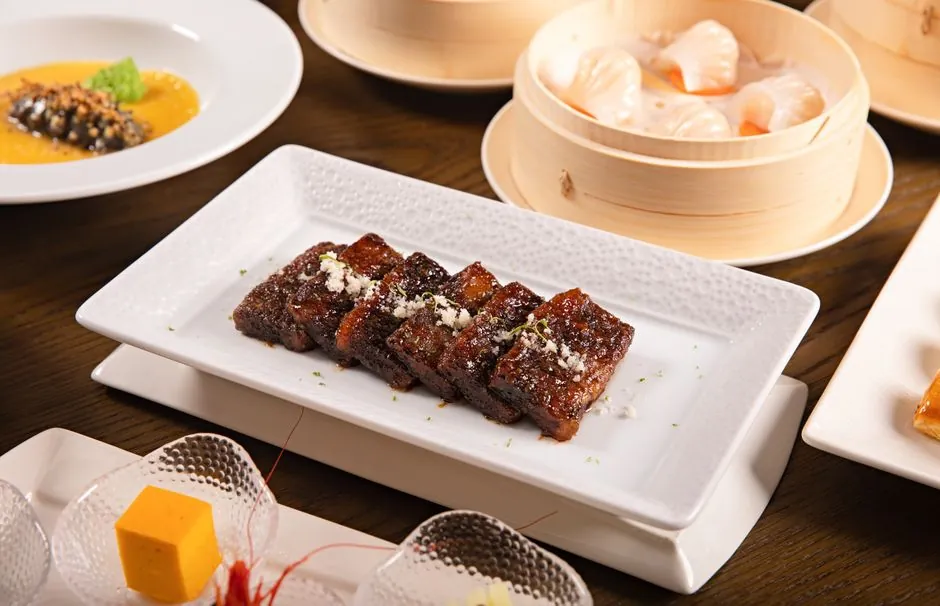
A simple dish of springtime sansai
From the Editors
The tradition of gathering sansai offers a quiet glimpse into Japan's deep connection with its natural environment. It is a practice that celebrates the subtle shifts of the seasons and the simple, profound joy of eating what the land provides. This gentle ritual, shared even with the wild inhabitants of the mountains, speaks to a respect for nature's cycles and a mindful approach to sustenance. It reminds us that some of the most profound flavors are found in the wild, waiting to be discovered anew each spring.