The Essence of Yakumi
In Japan, the phrase 'tastes like medicine' might, surprisingly, be offered as a compliment in a culinary context. This intriguing perspective is deeply rooted in the concept of 'yakumi', a term that encapsulates a foundational element of Japanese cuisine.
Beyond a Garnish
The culinary term 'yakumi' encompasses a range of ingredients far broader than what a Western chef might typically group together as mere garnishes or spices. These elements are not simply additions for flavour; they are integral to the dish, often chosen for their aromatic qualities, their ability to cleanse the palate, or their perceived health benefits.
A selection of fresh yakumi
A Compliment of Wellness
The appreciation for a 'medicinal' taste in yakumi stems from a long-standing cultural understanding of food as a source of nourishment and well-being. Ingredients like ginger, shiso, myoga, or wasabi, often considered yakumi, are valued not only for their distinct flavours but also for their refreshing, warming, or purifying properties. When a dish is described as tasting 'like medicine', it often implies a recognition of its wholesome qualities and the thoughtful balance of ingredients designed to invigorate the body and senses.

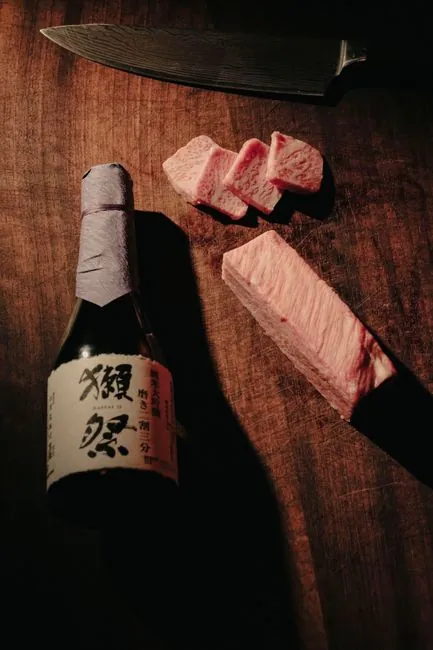
A dish enhanced by yakumi
From the Editors
At Mikan, we believe in uncovering the subtle layers of Japanese culture that enrich daily life. The concept of yakumi beautifully illustrates how culinary traditions are interwoven with a holistic approach to well-being, transforming simple ingredients into profound expressions of care and balance. It invites us to appreciate the nuanced artistry in every meal, where taste and health converge.
More from this topic: Rituals