The Inquiry into a National Dish
In the ever-evolving landscape of online discussions surrounding food, a particular inquiry has emerged concerning one of Japan's most cherished national dishes: ramen. This discourse delves into how we categorise different types of foods, and ramen, with its unique character, has become a focal point.
The Heart of a National Dish
Ramen, a dish deeply woven into the fabric of daily life across Japan, transcends simple definitions. It is more than just noodles in broth; it is a symphony of textures and flavours, a comforting presence from bustling city streets to quiet neighbourhood eateries. The question of whether ramen is 'soup' or something else entirely speaks to its multifaceted nature. Is it the rich broth that defines it, or the springy noodles, the tender slices of chashu, the crisp nori, or the perfectly seasoned egg?
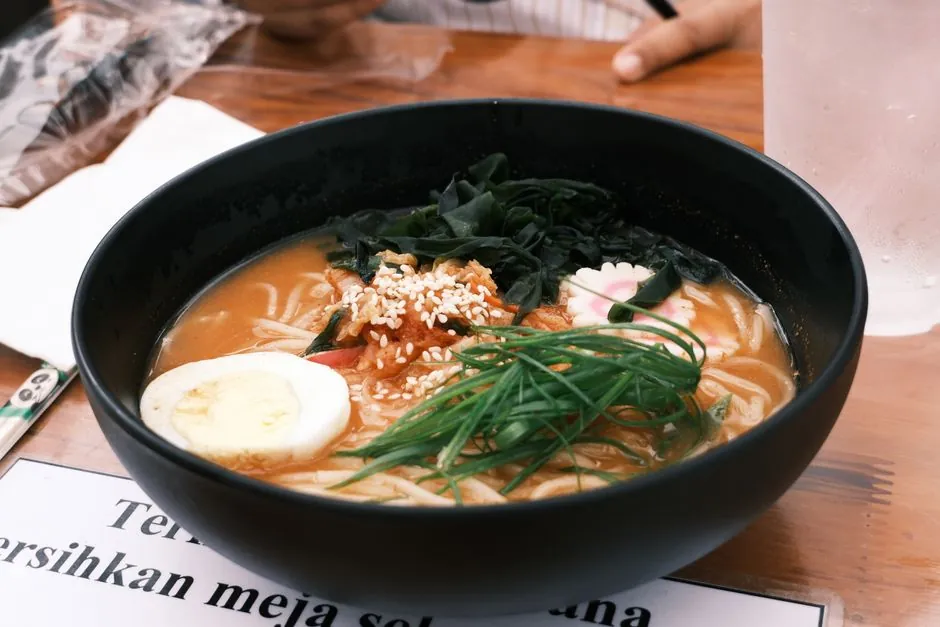
A comforting bowl of ramen.
Beyond Simple Categories
This online inquiry, while seemingly academic, offers a subtle reflection on how we perceive and appreciate food. It highlights that for many dishes, particularly those with deep cultural roots, rigid categorisation can sometimes miss the essence of their experience. Ramen, as a daily ritual for many, embodies a complete meal, a moment of warmth and sustenance. It invites us to consider food not merely by its components or form, but by its role in our lives and its cultural resonance. When enjoying a bowl, the choice of utensils, such as finely crafted chopsticks, can subtly enhance the experience, connecting us to the thoughtful traditions of Japanese dining. For instance, the 'Itadakimasu Chopsticks_green' from Amesankoh offer a touch of considered design to this everyday ritual.
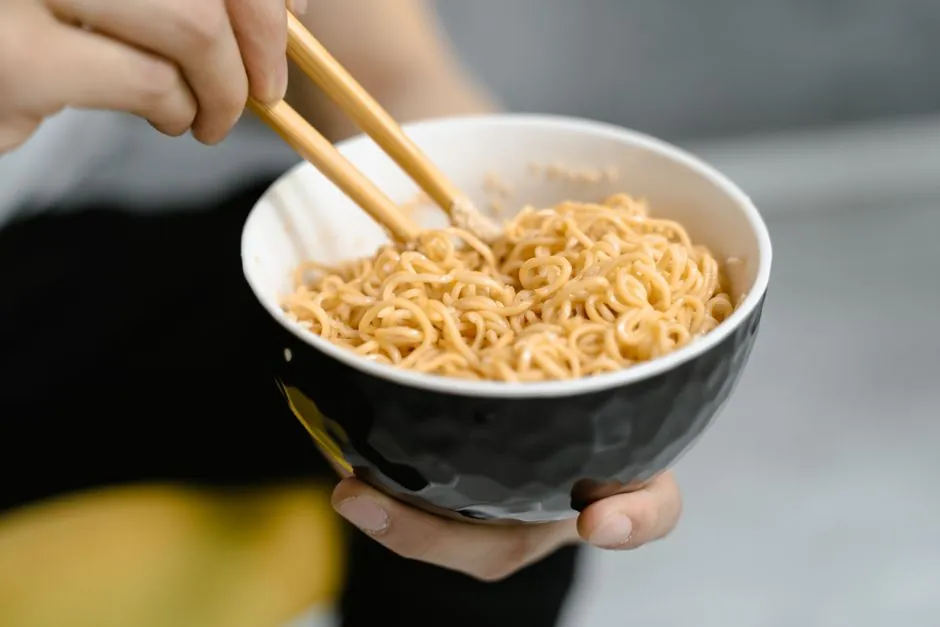
Chopsticks ready for a meal.
From the Editors
At Mikan, we believe in exploring the quiet depths of Japanese culture, understanding that even seemingly simple questions can unveil profound insights. The ongoing conversation around ramen's classification reminds us that culture is a living, evolving entity, constantly inviting new perspectives. It encourages us to look beyond surface definitions and appreciate the rich tapestry of everyday rituals that shape our understanding of the world, one cherished dish at a time.